This guide answers those questions in plain terms. It also explains how insulation is placed in a motorcycle glove, how it compares with other materials, how to read a glove’s specifications, and what brands and dealers should know before using the name. It’s part of our winter motorcycle gear series.
What Is Thinsulate?
Thinsulate, often called 3M Thinsulate, is a brand of synthetic insulation made by 3M. It’s used in gloves, jackets, boots, hats and other cold-weather clothing to keep the wearer warm without much bulk.
Thinsulate Meaning: Where the Name Comes From
The Thinsulate meaning is in the name itself, which combines “thin” and “insulate.” That describes the material’s main selling point: insulation that is warm for its thickness. 3M has made it since the late 1970s, and the name is a 3M trademark.
What Is Thinsulate Made Of?
Thinsulate insulation is made from very fine synthetic fibers. Most of it is polyester, and some types blend in other polymers such as polypropylene. The fibers are much finer than those in conventional polyester fill. 3M makes several types and weights for different uses, so not every product labeled Thinsulate contains the same material.
How Does Thinsulate Work?
Insulation doesn’t create heat. Your body produces the heat, and insulation slows how fast it escapes. It does this by trapping still air, which conducts heat poorly.
Fine Fibers, Many Air Pockets
Because Thinsulate fibers are so fine, a thin layer contains a large number of them. That creates many small pockets of trapped air, plus a lot of fiber surface that slows heat on its way out. The result is more insulation per millimeter than a thicker, coarser fill would give. That matters in gloves, where every extra bit of thickness costs you feel on the controls.
What Thinsulate Doesn’t Do
Thinsulate is insulation, not a weather barrier. On its own, it doesn’t stop wind or rain. At riding speed, moving air passes through insulation and carries warmth away, so a glove also needs a windproof outer or membrane. This is why two gloves that both list Thinsulate can feel very different on the bike.
Is Thinsulate Warm?
Yes, for its thickness. But how warm a particular glove feels depends on more than the insulation brand:
- How much insulation is used, usually described by its weight.
- Where it’s placed in the glove.
- Whether the glove blocks wind and water.
- How well the glove fits. A tight glove compresses the insulation and squeezes out the air that keeps you warm.
- Your own circulation and core warmth.
Like other synthetic insulations, Thinsulate generally keeps more of its warmth when damp than down does. It still works best kept dry, though, because wet linings feel cold and take a long time to dry.
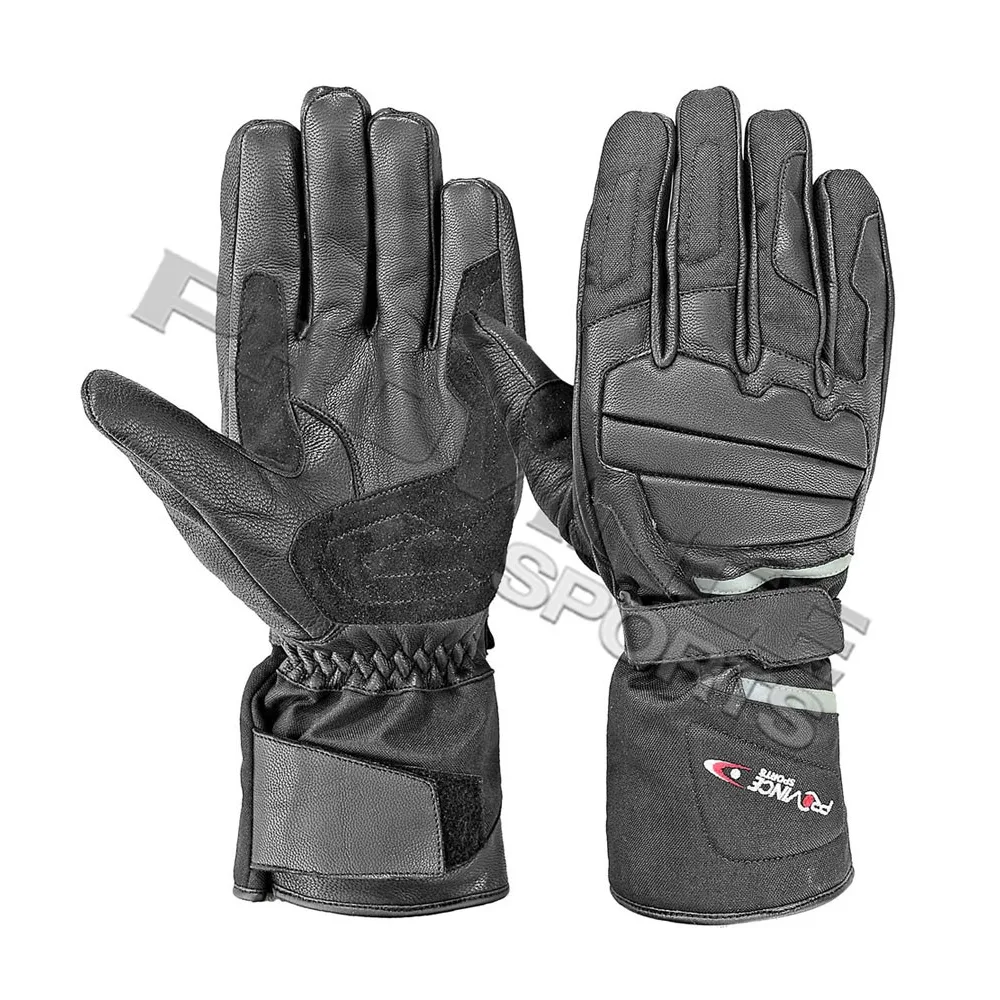
Thinsulate Gloves: How Insulation Fits Into a Riding Glove
A winter riding glove is built in layers, and the insulation is only one of them.
The Layers of a Winter Riding Glove
- Outer shell: leather, textile or a mix of the two, providing abrasion resistance and grip.
- Waterproof breathable fabric or membrane: blocks wind and rain while letting some sweat vapor out.
- Insulation: traps warm air.
- Lining: the soft inner layer against your hand.
Where the Insulation Goes
Good Thinsulate gloves, like other well-made insulated gloves, don’t use the same amount of insulation everywhere:
- The back of the hand and the fingers face the wind and usually get more.
- The palm and the inside of the fingers usually get less, so you can still feel the grips and levers.
Too much insulation in the palm makes a glove feel like a cushion and reduces control.
Membrane Position and “Wetting Out”
In many gloves, the waterproof membrane sits inside the outer shell as a separate insert. In heavy rain, the outer layer can soak through before the water reaches the membrane. Your hand stays dry, but the glove gets heavy and cold.
Two things reduce this:
- a membrane bonded closer to the outer layer;
- treating the outer surface with a water-repellent product suitable for that material.
How to Read a Winter Glove’s Insulation Specs
Questions to Ask About Any Insulated Glove
When a glove lists Thinsulate or any other insulation, look for answers to these questions:
- Which type of insulation is used, and is the brand name confirmed?
- How much is used, and where?
- Is there a windproof or waterproof layer as well?
- Is the lining fixed in place, or can it pull out when your hand is damp?
Insulation Weight
Grams per Square Meter
Insulation is usually described by weight in grams per square meter (g/m²). A higher figure generally means a thicker, warmer layer. A glove for cold commuting will typically use more than a glove for cool autumn days.
Why More Isn’t Always Warmer
Weight alone can be misleading. A glove with more insulation but no wind barrier can feel colder than a glove with less insulation that blocks wind and fits well. So can a glove that fits tightly and compresses the fill. Judge the whole construction, not just the number.
Fit and Compression
Insulation only works when it has room to hold air. Gripping the bars compresses the palm side of any glove, which is one more reason the palm carries less insulation. Our guide on how to keep your hands warm on a motorcycle covers glove sizing and fit in detail.
Thinsulate vs Other Synthetic Insulation and Materials
Thinsulate is one of several types of synthetic insulation, and other brands work on the same principle of fine fibers trapping air. Here’s how the main options compare in riding gear:
| Material | Strengths | Limitations |
|---|---|---|
| Thinsulate and similar synthetic insulation | Warm for its thickness; keeps more warmth when damp than down | Needs a wind and water barrier |
| Down | Very warm for its weight; compresses well | Loses much of its warmth when wet; rarely used in gloves |
| Fleece or pile lining | Soft, breathable, comfortable | Bulkier for the same warmth; lets wind through |
| Wool | Comfortable when slightly damp | Bulkier; usually used in liners rather than riding gloves |
| Heated elements | Add active heat | Need power; extra cost |
For riding gloves, thin synthetic insulation usually strikes the best balance between warmth and lever feel. Heated gloves or liners take over when insulation alone isn’t enough.
Caring for Insulated Riding Gloves
Follow the maker’s care label. In general:
- dry gloves at room temperature, away from radiators and direct heat;
- don’t wring them out, which can damage the lining and membrane;
- store them dry and uncompressed between seasons;
- re-treat the outer surface with a suitable water repellent when water stops beading.
Insulated Gloves by Climate and Market
How much insulation riders need depends on where they ride:
- The UK and Northern Europe: Wet cold means a good membrane and quick-drying construction matter as much as insulation weight.
- Canada and the northern US: Deep, dry cold calls for heavier insulation, often combined with heated grips or gloves.
- Southern Europe, southern Australia and New Zealand: Milder winters suit lighter insulation that keeps good feel on the controls.
- The Middle East and much of Asia: Cold mornings, desert nights and mountain routes suit light to mid-weight insulated gloves. Northern China, Korea and Japan need full winter weights.
Insulated gloves also work best as part of a full layering system. Our guide on how to stay warm on a motorcycle explains why a warm core keeps your hands warmer too.
Using Thinsulate in Your Glove Range: Notes for Brands
For brands and dealers, the Thinsulate name can help sell winter gloves, but only when it’s accurate:
- Name it only when it’s used. Thinsulate is a 3M trademark. If the insulation is a different synthetic, describe it as “synthetic insulation.”
- Confirm the source and terms. Ask your manufacturer to confirm the insulation type and weight in writing. Check 3M’s requirements for using the name and logo on products and packaging.
- Describe the whole glove. Buyers respond to clear information about insulation type, membrane, cuff style and fit, not just a brand name.
Decisions about insulation, membranes and linings are best made early in development, through material expertise and integration. Province Sports manufactures winter riding gloves for OEM and private label buyers. To discuss a winter glove program, request a quote with your target markets and the insulation you want specified.
Frequently Asked Questions
Is Thinsulate waterproof?+
No. Thinsulate is insulation, not a waterproof layer. A glove needs a separate waterproof membrane or insert to keep rain out.
Does Thinsulate work when wet?+
It generally keeps more of its warmth when damp than down does, but no insulation is as warm wet as dry. Keep gloves as dry as possible, and dry them fully after riding.
Is Thinsulate better than fleece in gloves?+
For riding gloves, usually yes. Thinsulate gives similar warmth with less thickness, which helps you feel the controls. Fleece is soft and comfortable, but it’s bulkier and lets wind through.
Can I wash Thinsulate gloves?+
Follow the maker’s care label. Many riding gloves, especially leather ones, shouldn’t be machine washed. Clean them gently and dry them at room temperature.
Does every glove that says Thinsulate use the same material?+
No. 3M makes several types and weights of Thinsulate, and gloves use different amounts in different places. Two gloves that both list Thinsulate can feel very different.
Final Thoughts
Thinsulate is a thin, efficient synthetic insulation that traps warm air without adding much bulk, which makes it well suited to riding gloves. But it’s only one part of a warm glove. Wind and water protection, sensible placement, good fit and a warm core decide how your hands actually feel at speed. If you’re also choosing what to wear on your head and neck, our comparison of balaclava vs neck gaiter completes the winter setup.