- something to move sweat;
- something to trap heat;
- something to stop wind and rain;
- nothing left open at the edges.
This guide walks through that system layer by layer. It then covers sealing gaps, adjusting for different conditions, and the cold weather riding tips that help between stops. It also looks at how layering needs change from the damp cold of the UK to the dry cold of Canada, and from mild Australian winters to cold desert mornings in the Middle East.
For the full head-to-toe kit list, see our guide to winter motorcycle gear.
Quick Answer: How to Stay Warm on a Motorcycle
- Block the wind first. A windproof outer layer matters more than extra insulation.
- Layer from the skin out: a wicking base layer, an insulating mid layer and a windproof shell.
- Seal the gaps at your neck, wrists, waist and ankles.
- Stay dry, both from rain outside and sweat inside.
- Add heat where you lose it fastest, usually the hands, with heated grips or gloves on long rides.
Why Layers Work Better Than One Thick Jacket
The simplest answer to how to keep warm on a motorcycle is layering. Warmth comes from trapped air, not from fabric thickness. Several thinner layers hold air between them, and each one can do a different job: wicking, insulating or blocking wind. A single heavy jacket does all three less well, and you can’t adjust it when the sun comes out or you stop for fuel.
Layers also need room to work. If everything is compressed under a tight jacket, there’s no air to trap, and the armor may be pushed out of place. Try your full layering setup on with your riding gear before a long ride.
Build Your Layers From the Skin Out
Layer 1: The Base Layer
The base layer sits against your skin and moves sweat away. That matters even in winter, because damp skin loses heat quickly once you stop exerting yourself or the wind finds a way in. Wear a long-sleeved top and long underwear that fit closely without restricting movement.
Merino or Synthetic?
Merino wool stays comfortable when slightly damp and resists odor over several days of wear. Synthetic base layers dry faster and usually cost less. Either is a good choice. Cotton is not, because it holds moisture against the skin and stays wet.
Layer 2: The Mid Layer
The mid layer traps warm air. Many riding jackets and pants include a removable thermal liner for this, but you can also add your own layer between the base layer and the jacket.
Choosing Insulation for the Mid Layer
Fleece
Fleece is breathable, affordable and comfortable. It works well on cool days or under a jacket with a good liner. On its own it lets wind through, so it always needs a windproof layer outside it.
Synthetic Insulated Jackets
A thin synthetic insulated jacket packs a lot of warmth into little bulk, and it keeps more of that warmth if it gets damp. That makes it a practical mid layer for wet climates.
Our article on what Thinsulate is and how it works explains how synthetic insulation traps heat.
Down
Down is very warm for its weight and compresses well under a riding jacket. Quality varies widely, and a very thick down jacket can be too bulky to wear underneath.
Keeping Down Dry
Down loses much of its warmth when wet. Only wear it under a waterproof outer layer, and make sure sweat doesn’t build up inside it on long rides.
Layer 3: The Windproof Outer Shell
The outer layer is your motorcycle jacket and riding pants. They block wind and rain and provide abrasion resistance and armor. A waterproof membrane also blocks wind. That’s why a membrane jacket feels so much warmer than a mesh or vented one on a cold day.
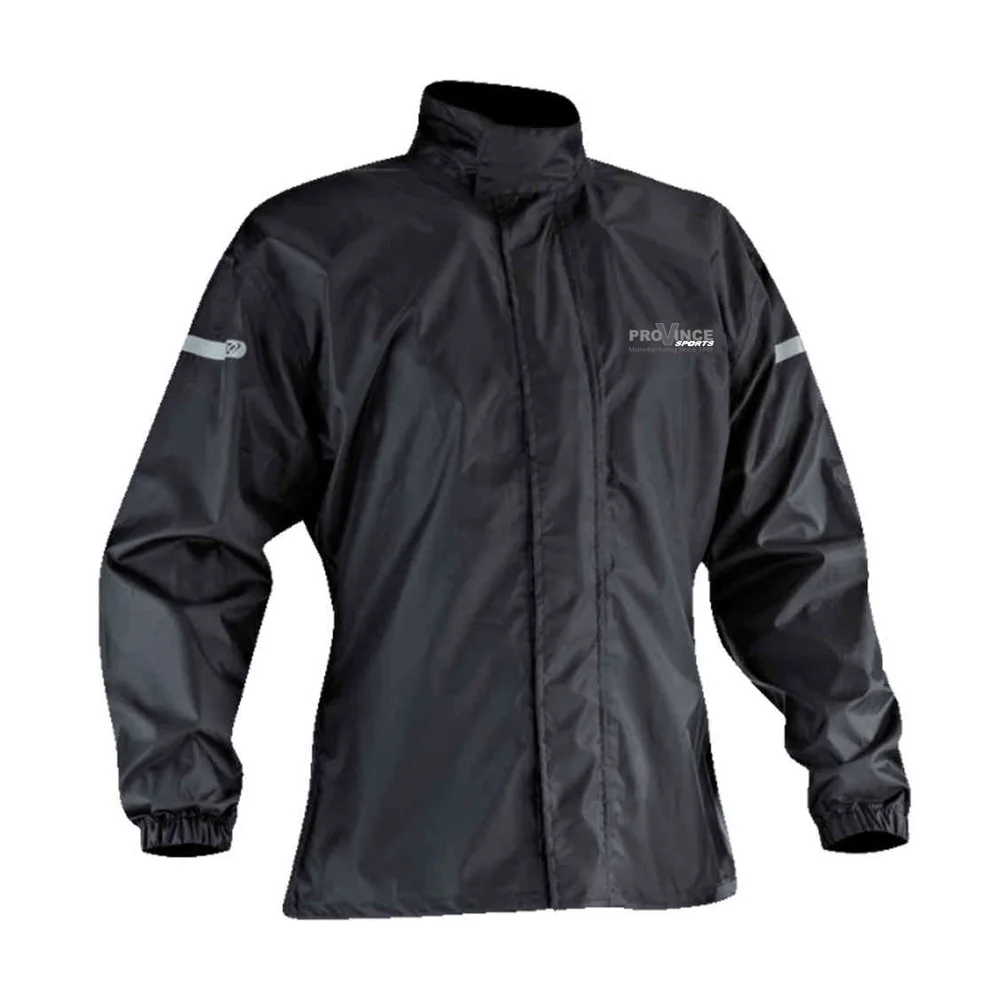
If your jacket has no membrane, add a windproof layer underneath it. On very cold rides, wear a waterproof rain suit over your riding gear. It adds a second wind barrier and makes a noticeable difference, even when it isn’t raining.
Seal the Gaps Where Cold Gets In
Even good layers lose heat through gaps. Check these four areas before every winter ride.
Neck and Head
The gap between helmet and collar lets in a steady stream of cold air. Two kinds of covering deal with it:
- A thin motorcycle balaclava, such as a stretch thermal balaclava, covers the head, ears and neck under the helmet.
- A neck gaiter for motorcycle use, or a bib-style windproof neck warmer, seals the collar and is easier to remove at stops.
The balaclava vs neck gaiter choice comes down to coverage and convenience. A balaclava covers more, while a gaiter is easier to take on and off. Many riders use both on the coldest days. Whichever you choose, keep it thin enough that your helmet still fits properly, and don’t let it push your breath up into the visor.
Wrists
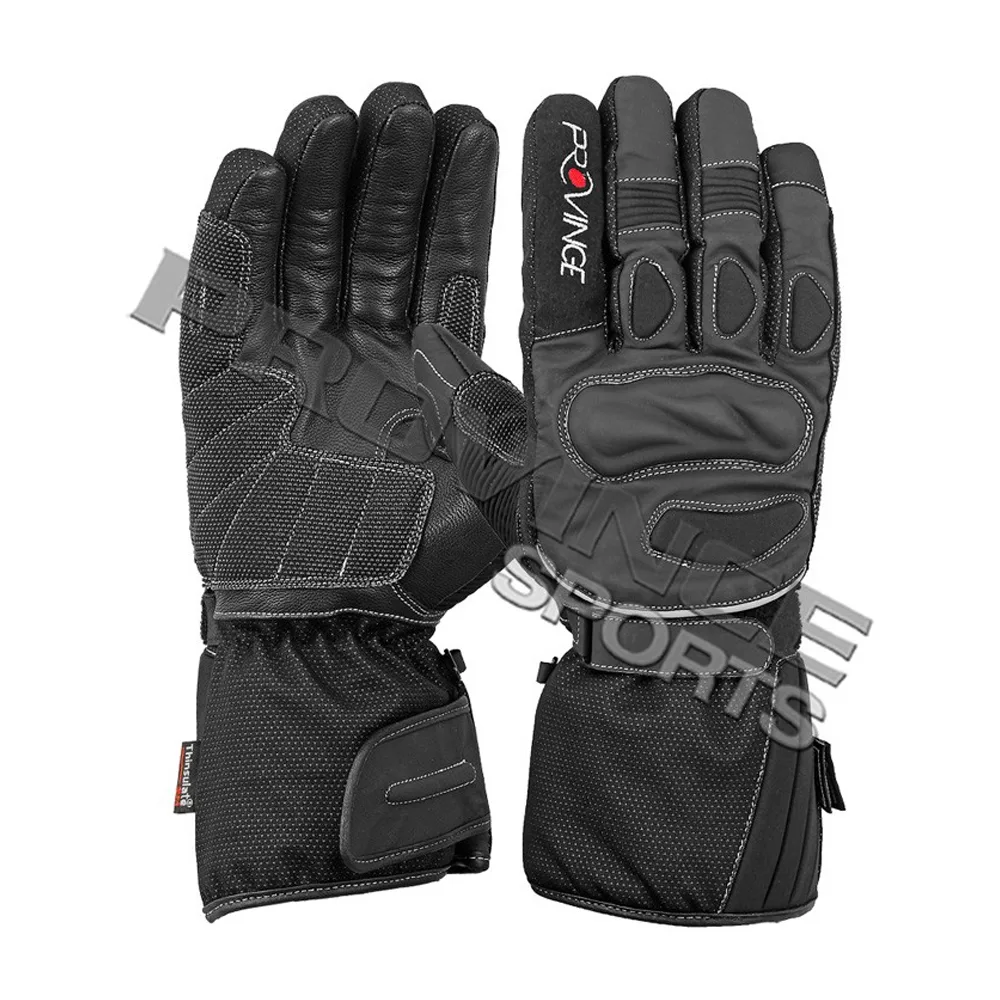
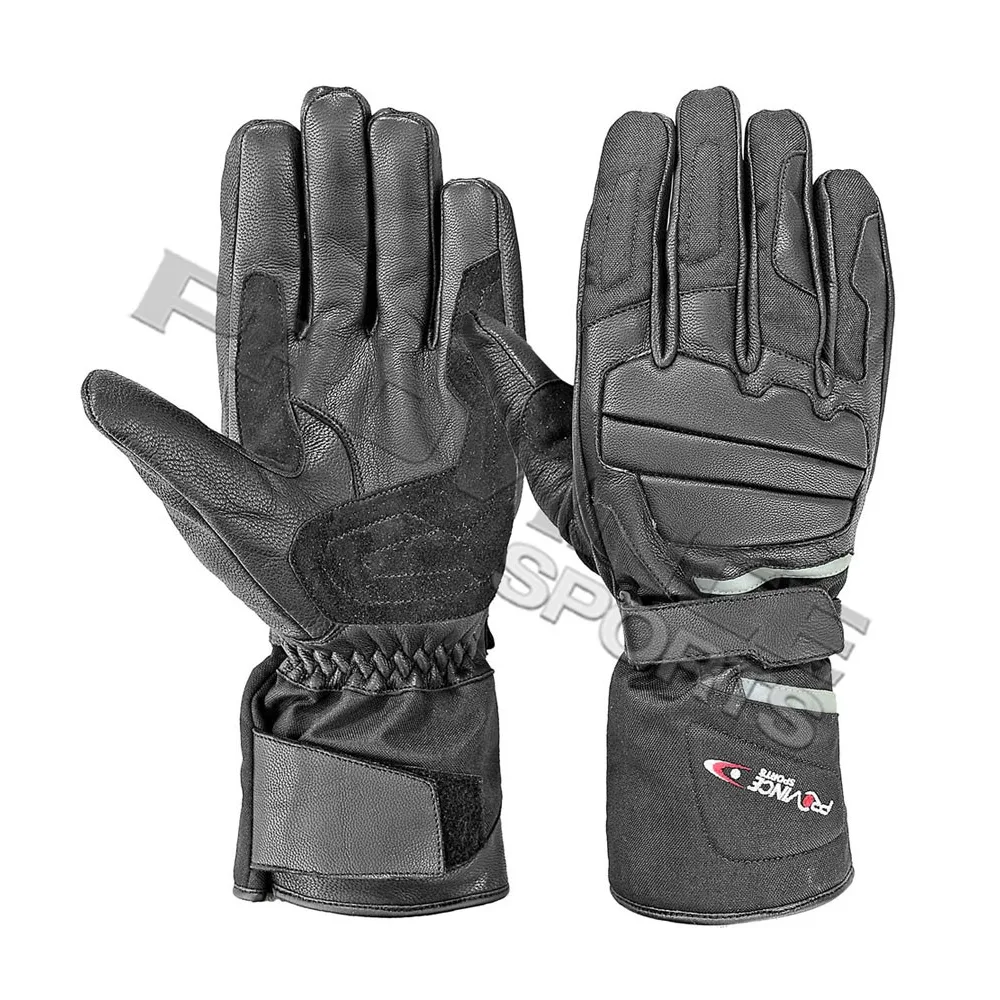
Wrists are where gloves and sleeves meet, and a small gap lets cold air run up your arm. Winter riding gloves with a long gauntlet that closes over the jacket cuff solve most of this.
Waist and Lower Back
When you lean forward, your jacket rides up and exposes your lower back. To close the gap:
- connect your jacket and pants with a zip, if they have one;
- wear a longer base layer tucked in;
- add a windproof kidney belt over the gap.
Ankles
Your pant legs should cover the tops of your boots when you’re seated. Otherwise, cold air and rain run straight down into your socks.
Layering for Different Conditions
How much you need depends on temperature, wind, rain and ride length. As a starting point:
| Conditions | Base layer | Mid layer | Outer layer and extras |
|---|---|---|---|
| Cool and dry, short ride | Light base layer | Jacket liner or light fleece | Windproof jacket, light winter gloves |
| Cold and dry | Base layer and long underwear | Fleece or synthetic jacket | Membrane jacket and pants, neck warmer, insulated gloves |
| Cold and wet | Base layer and long underwear | Synthetic insulated layer | Waterproof gear or over-suit, waterproof gloves and boots |
| Very cold, long ride | Two thin base layers | Synthetic or down layer | Full membrane gear, balaclava and neck warmer, heated grips or gloves |
Everyone feels the cold differently, so adjust from there. If you’re cold on a short ride, you’ll be colder on a long one.
Cold Weather Riding Tips Beyond Clothing
Riding a motorcycle in cold weather also depends on how you prepare and how you ride:
- Start warm, not sweaty. Dress indoors, but don’t overheat before you leave, or you’ll start the ride damp.
- Adjust early. Add a layer before you get cold. It’s much harder to warm back up once you’re chilled.
- Take regular breaks. Stop to warm up, have a warm drink and eat something. Your body needs fuel to produce heat.
- Keep the wind off. A taller screen and hand guards reduce the wind on your body and hands.
- Consider heat for your hands. Motorcycle hand warmers, such as heated grips or heated gloves, help most on long rides. Our guide on how to keep your hands warm on a motorcycle covers every option.
- Ride for the road. Tires take longer to warm up, and frost lingers on bridges and in shaded corners.
Know the warning signs. Shivering, numb fingers that struggle with the controls, or slow thinking all mean it’s time to stop somewhere warm before carrying on.
Layering by Climate and Market
Staying warm on a motorcycle depends on the kind of cold you ride in:
- The UK and Northern Europe: Damp cold makes staying dry the priority. Choose membrane outer layers, wicking base layers and synthetic insulation over down.
- Canada and the northern US: Dry, deep cold calls for more insulation, full gap sealing and, on longer rides, often heated gear.
- Southern Europe, southern Australia and New Zealand: Mild winters suit removable liners and lighter layers that can come off as the day warms.
- The Middle East: Big swings between cold mornings and warm afternoons make packable mid layers and neck warmers useful.
- Asia: Northern winters in China, Korea and Japan need full cold weather riding gear. Mountain routes elsewhere can turn cold quickly, even in warm countries.
For Dealers and Brands: Selling the Layering System
For dealers and brands, winter biker gear sells best as a system. Riders who buy a winter jacket often still need balaclavas, neck warmers, windproof kidney belts, insulated gloves and rain suits. These accessories need fewer sizes than jackets and pants and work across many markets, which makes them practical for a seasonal range or a bundle. Describe them accurately: call a product “windproof” or “water-resistant” only where the materials support it.
Province Sports manufactures these accessories alongside jackets and pants for OEM and private label buyers. To plan a cold weather range, request a quote with your product list and target markets.
Frequently Asked Questions
Can I wear a hoodie under my motorcycle jacket?+
For a short, dry ride, it’s better than nothing. But cotton hoodies hold sweat and moisture, and they can bunch up under armor. A fleece or synthetic mid layer is warmer and fits better.
How many layers should I wear on a motorcycle in winter?+
Usually three: a base layer, a mid layer and a windproof outer layer. On very cold days, add a second thin base layer or an over-suit rather than one thick extra layer.
Can I wear my summer mesh jacket in winter?+
Only with a windproof layer underneath and insulation below that. Mesh lets wind straight through, so on its own it will feel very cold at speed.
What helps most if I’m already wearing all my layers and still cold?+
Add another wind barrier, such as a rain suit over your gear, or add heat with a heated vest, grips or gloves. Then check for gaps at your neck, wrists and waist.
Should I wear two pairs of socks?+
Only if your boots stay loose. Tight boots restrict circulation and make your feet colder. One good pair of warm, wicking socks in properly fitted boots usually works better.
Final Thoughts
Staying warm on a motorcycle comes down to a few habits: wick sweat away, trap warm air, block the wind, and close every gap. Get the layers right and you’ll need less bulk, stay more comfortable, and keep your attention on the road. Adjust before you get cold, and stop when your body tells you to.