This guide explains how to keep hands warm on a motorcycle, in the order that works best: block the wind, choose the right gloves, get the fit right, add heat, and keep your core warm. It also covers numb hands, glove sizing, and how needs differ between riders in North America, Europe, the Middle East, Asia and Australia. For your full cold-weather kit, see our guide to winter motorcycle gear.
Quick Answer: How to Keep Your Hands Warm on a Motorcycle
- Block the wind with hand guards and gloves that close over your jacket cuffs.
- Wear windproof, insulated winter gloves rather than just thicker ones.
- Leave room in the glove, because tight gloves restrict blood flow.
- Add heat with heated grips, heated gloves or heated liners on long or very cold rides.
- Keep your core warm, so your body keeps sending warm blood to your hands.
Why You Get Cold Hands on a Motorcycle
Cold hands on a motorcycle usually come from several causes at once:
- Wind. Moving air strips heat away far faster than still air, and your hands face it head on.
- Little heat of their own. Fingers are thin, with a lot of surface area and little muscle.
- A cooling core. When your body starts losing heat, it narrows the blood vessels in your hands and feet to protect your organs.
- Moisture. Wet gloves, whether from rain or sweat, lose much of their warmth.
- Tight gloves or a tight grip. Both reduce circulation to the fingers.
That’s why thicker gloves alone often don’t solve the problem.
Numb Hands on a Motorcycle: Cold or Something Else?
Numb hands on a motorcycle aren’t always caused by cold. Vibration through the bars, gripping too hard and pressure on the palm can cause tingling or numbness even in warm weather. Relax your grip, let your arms bend, and check your riding position. If numbness carries on after you’re off the bike, or keeps coming back, speak to a doctor.
Step 1: Block the Wind First
Taking the wind off your hands is the single most effective change, and often the cheapest:
- Hand guards or bar-end deflectors push the airstream around your hands instead of over them.
- A taller or adjusted windscreen can lift some of the blast off your arms and hands.
- Gauntlet cuffs worn over the jacket sleeve stop cold air from running up your arm. Short cuffs tucked under the sleeve leave a gap.
Step 2: Choose the Right Winter Gloves
Best Gloves for Cold Weather Motorcycle Riding: What to Look For
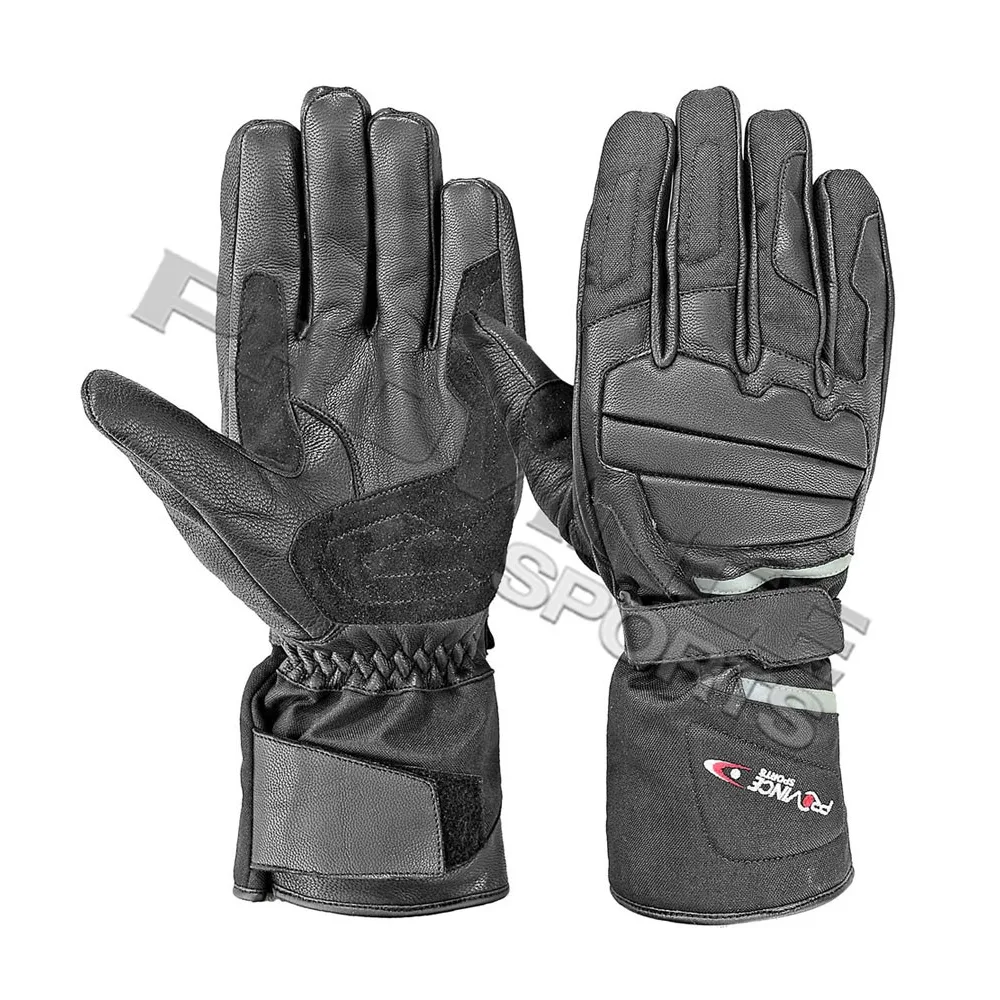
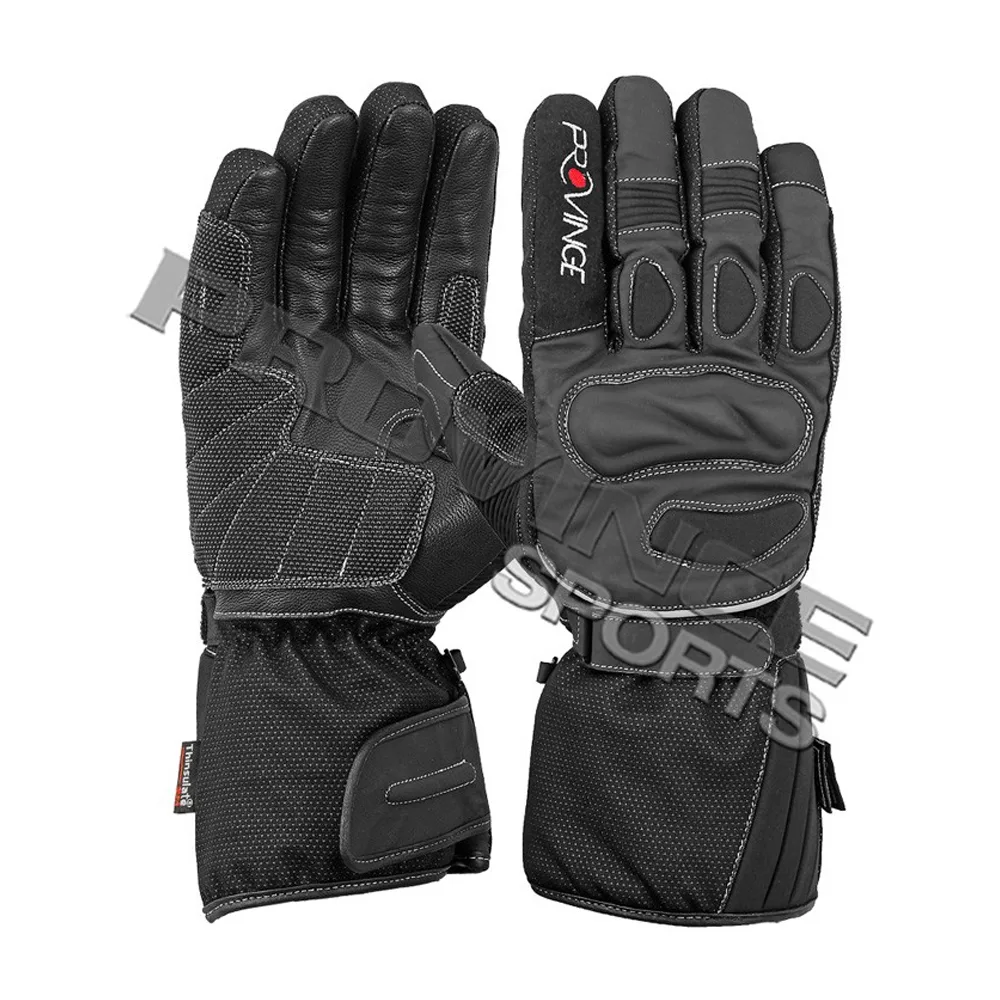
The best gloves for cold weather motorcycle riding balance warmth with feel on the controls. Look for:
- a windproof outer or a waterproof breathable insert, which also blocks wind;
- insulation on the back of the hand and fingers, where the wind hits hardest;
- a long gauntlet that closes over your jacket cuff;
- pre-curved fingers, so you aren’t fighting the glove to hold the bars;
- a grippy palm, plus reinforcement in the areas that take impact in a fall.
Winter riding gloves built around these features keep your hands warmer than a bulky glove with no wind barrier.
Thinsulate Gloves and Synthetic Insulation
Many riders look for Thinsulate gloves. 3M Thinsulate is a brand of synthetic insulation made from very fine fibers. These fibers trap warm air without much bulk, which suits gloves, where dexterity matters. Other synthetic insulations work in a similar way. What decides how warm a glove is:
- how much insulation is used;
- where it sits;
- whether the glove also stops wind and water.
Our explainer on what Thinsulate is goes into more detail.
Leather or Textile Winter Gloves?
Leather blocks wind well and offers good abrasion resistance, but it can soak through in heavy rain unless it has a waterproof insert. Textile gloves with a membrane handle wet weather better and dry faster. Many winter gloves combine both. Classic leather riding gloves suit cool, dry days; insulated winter gloves are better for real cold.
Step 3: Get the Fit Right
A warm glove that’s too tight will still leave you with cold fingers. Insulation needs a layer of air to work, and a tight glove squeezes blood flow to the fingertips.
How to Size Motorcycle Gloves
Measuring Your Hand
Hand Circumference
Wrap a soft tape measure around your palm at its widest point, just below the knuckles, leaving out the thumb. Note the measurement in inches or centimeters, and compare it with that brand’s size chart, since sizes vary between makers.
Which Hand to Measure
Measure your dominant hand, which is often slightly larger. If you fall between two sizes, choose the larger one for winter gloves.
Hand Length
Measure from the crease at the base of your palm to the tip of your middle finger. This helps you check that the glove fingers won’t be too short.
Checking the Fit on the Bike
Try the gloves on with your hands on the grips, and check three things:
- Your fingertips shouldn’t press against the ends of the glove fingers. That restricts blood flow and is a common cause of cold, numb fingertips.
- You should still feel the levers clearly.
- You should be able to close your hand without fighting the lining.
If you plan to wear a liner, try the gloves on with it.
Step 4: Add Heat With Motorcycle Hand Warmers
When wind protection and good gloves aren’t enough, motorcycle hand warmers add active heat:
| Option | What it warms | Advantages | Limitations |
|---|---|---|---|
| Heated grips | Palms | Always on the bike, nothing to charge | Backs of hands and fingertips stay exposed |
| Heated gloves | Whole hand, including fingers | Warmest option for long, cold rides | Cost more; need bike wiring or batteries |
| Heated glove liners | Whole hand, under your own gloves | Let you keep your preferred outer gloves | Need room inside the outer glove |
| Handlebar muffs | Hands and controls | Block wind completely | Unusual look; change how you reach the controls |
| Chemical warmer packs | A small area | Cheap, useful at stops | Bulky inside a glove; short-lived |
Heated grips work best on open roads. In town, your fingers spend more time on the cold levers. Many riders use grips every day and add heated gloves on the coldest days. Battery-powered options vary widely in how long they stay warm, so check the stated run time.
Step 5: Keep Your Core Warm
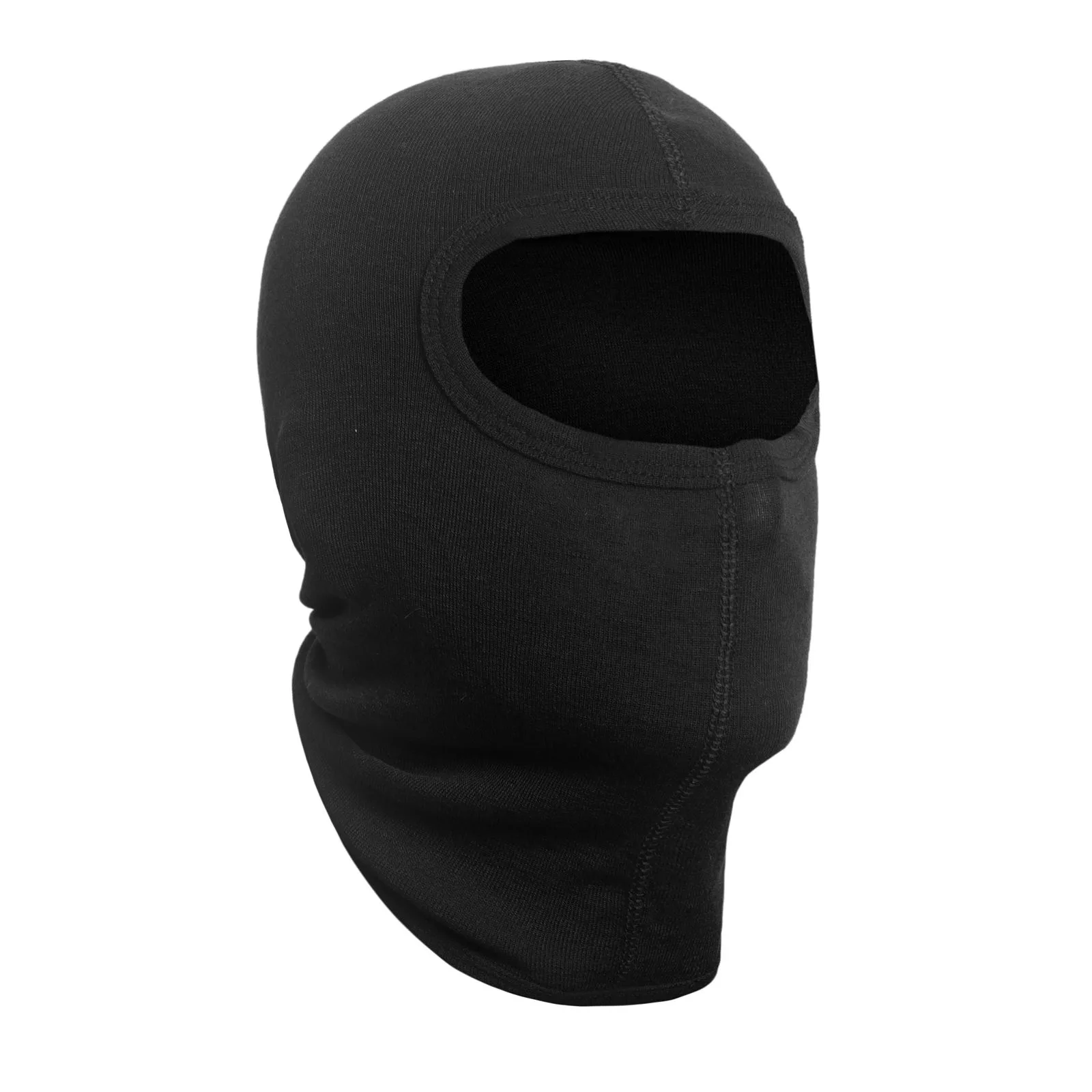
If your body is cold, your hands will be too, however good your gloves are. Keeping your chest and back warm lets your body keep sending warm blood to your fingers. A wicking base layer, an insulating mid layer and a windproof jacket all make a real difference. Our layering guide to staying warm on a motorcycle explains how to build that system. Covering your neck helps too; our comparison of balaclava vs neck gaiter explains the options.
Keep Your Gloves Dry
Wet gloves are cold gloves. After a ride, dry them fully at room temperature. Avoid radiators and direct heat, which can stiffen leather and damage linings. On wet trips, carry a spare pair or waterproof over-gloves, and put them on before your first pair soaks through.
Cold Hands by Climate and Market
What you need depends on the kind of cold you ride in:
- The UK and Northern Europe: Wet cold makes waterproof gloves, over-gloves and a spare pair as important as insulation.
- Canada and the northern US: Dry, deep cold favors full winter gloves combined with heated grips or heated gloves.
- Southern Europe, southern Australia and New Zealand: Milder winters often need only mid-weight gloves and hand guards.
- The Middle East: Cold early mornings and mountain routes call for windproof gloves that are light enough to keep wearing as the day warms up.
- Asia: Northern winters in China, Korea and Japan need full cold weather riding gear, including insulated gloves and added heat.
For Dealers and Brands: Building a Glove Range for the Cold
Gloves are often the first winter riding gear a customer buys, and many riders own several pairs for different conditions. A range that runs from summer mesh gloves through mid-weight to full winter gloves lets a dealer serve the whole year. Size charts in both inches and centimeters help across markets.
Be precise with claims:
- “Waterproof” needs a waterproof insert and sealed construction.
- Branded insulation should only be named when it is actually used.
Province Sports manufactures riding gloves for OEM and private label buyers. To plan a winter glove program, request a quote with your styles, size range and target markets.
Frequently Asked Questions
Why are my hands cold even with winter gloves?+
Usually because wind is getting through the glove, the glove is too tight, or your core is cold. Check that the gloves are windproof and seal over your sleeves, that your fingertips aren’t touching the ends, and that the rest of your layers are warm enough.
Should winter motorcycle gloves be a size bigger?+
Not automatically. Measure your hand and use the brand’s chart. If you’re between sizes or plan to wear a liner, the larger size is usually warmer.
Are heated grips enough on their own?+
On cool days, often yes. In real cold, heated grips warm your palms but not your fingertips or the backs of your hands, so add insulated windproof gloves or hand guards.
Do glove liners help?+
Yes, if your outer gloves have room for them. A thin liner adds warmth and can come off as the day warms up. A liner that makes the outer glove tight will make your hands colder.
Is it safe to keep riding with numb fingers?+
No. If you can’t feel the controls properly, stop somewhere safe and warm your hands before carrying on.
Final Thoughts
Keeping your hands warm on a motorcycle works best as a system. Block the wind first. Wear windproof, insulated gloves that fit with room to spare. Add heat when the cold is serious, and keep your core warm so your body keeps sending heat to your fingers. Warm hands are about more than comfort: they keep you in full control of the bike.